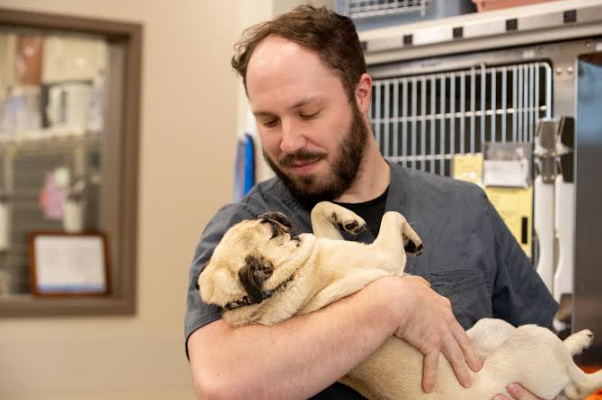
You got through the urgent part. Your pet was seen, treated, and sent home with instructions, and now the adrenaline is wearing off. This is often the moment when questions hit, and the Gulf Coast emergency veterinary team knows how common those worries can be. Is the medication working? Is the limp really improving? Was that vomiting episode a one time problem or the start of something bigger?
That uncertainty is exactly why follow up care matters. Animal urgent care is built to stabilize sudden problems, ease pain, and rule out immediate danger. Your primary veterinarian handles the next layer. They know your pet’s history, patterns, past test results, and the small changes that can mean a lot. Why follow up with a primary veterinarian matters after an animal urgent care visit comes down to one simple truth. Emergency and urgent treatment solves the crisis in front of you. Follow up helps protect your pet from what comes next.
Animal urgent care treats the immediate problem, and your primary vet manages the full picture
Urgent care teams move fast because they have to. They focus on the problem that brought your pet in that day, whether it is diarrhea, a bite wound, a sudden cough, an eye injury, or a possible toxin exposure. That care is necessary, and sometimes lifesaving. It is not the same as long term case management.
Your regular veterinarian sees the patterns urgent care may not have time or records to connect. A cat treated for dehydration may also have early kidney disease. A dog seen for repeated ear infections may have allergies driving the problem. A puppy with vomiting might improve on supportive care, but follow up can reveal a diet issue, parasites, or a blockage risk that still needs watching.
This is where post urgent care vet follow up earns its place. It closes the gap between getting through the night and actually getting your pet well.
See also: Understanding the Role of Financial Protection in Everyday Life
Missing follow up can turn a short term fix into a longer, more expensive problem
A lot of pet owners assume that if symptoms ease up, the issue is over. Sometimes that is true. Often, it is only partly true. Pain medicine can mask discomfort without fixing the cause. Anti nausea drugs can stop vomiting while inflammation, infection, or organ disease continues underneath. A wound can look better on the surface while infection develops deeper in the tissue.
You may also be balancing cost, time off work, child care, and the simple hope that nobody needs another appointment. That is real. Still, skipping the recheck can cost more later. A urinary issue that is not fully resolved can become an emergency obstruction. A mild respiratory infection can worsen. A medication dose may need adjusting once your pet’s regular vet reviews the response.
Emergency and critical care specialists at Cornell University College of Veterinary Medicine describe emergency care as treatment for acute illness and injury, which highlights the difference between urgent stabilization and ongoing medical oversight. The handoff matters.
Primary care follow up helps catch hidden causes and supports safer recovery
Your veterinarian does more than glance at the discharge papers. They review test results in context, repeat exams if needed, and decide whether more diagnostics make sense. That can include bloodwork, imaging, fecal testing, urine testing, or a medication change based on how your pet is doing at home.
Recovery is not always straight. Some pets act normal for a day and then slide backward. Others improve, but side effects show up from treatment itself. Appetite changes, loose stool, sedation, restlessness, increased thirst, and trouble urinating are all things your primary vet should know about.
If the urgent visit involved a bite, scratch, diarrhea, or possible infectious disease, follow up also protects the people in your home. The CDC offers practical guidance on healthy habits around pets and animals, including ways to reduce disease spread between animals and people.
Follow up after pet urgent care gives you clearer next steps at home
Discharge instructions from urgent care can be brief because the visit is focused on triage and treatment. Home care is where many owners feel stuck. How much activity is too much? When should the cone stay on? What counts as normal healing? Is your pet allowed regular food again, or should meals stay bland for another day?
Your primary veterinarian can answer those questions based on your pet, not just the diagnosis. A senior dog with arthritis recovers differently than a young healthy dog. A diabetic cat with an upset stomach needs a different plan than a cat with no chronic conditions. That personalized guidance is the value of follow up after pet urgent care.
| Aspect of Care | Animal Urgent Care | Primary Veterinarian Follow Up |
| Main goal | Stabilize sudden illness or injury | Confirm recovery and manage the underlying cause |
| Medical history access | Often limited to what is available that day | Full record of past illnesses, medications, and trends |
| Testing decisions | Focused on immediate risk | Based on response to treatment and long term needs |
| Medication review | Short term symptom control is common | Adjusts doses, duration, and interactions with current meds |
| Risk if skipped | Symptoms may seem improved without full resolution | Better chance of catching relapse, complications, or chronic disease |
Three steps to take after an animal urgent care visit
Schedule the follow up before the details blur. Call your primary veterinarian within a day or two, even if your pet seems better. Ask when they want to recheck the issue and whether they need records sent over first. For some conditions, timing matters more than owners expect.
Track what you are seeing at home. Write down appetite, water intake, bathroom habits, energy level, vomiting, coughing, limping, or anything else that changed after the visit. A short note on your phone is enough. Those details help your vet decide whether recovery is on track or drifting off course.
Prepare for the next emergency before it happens. Keep discharge papers, medication lists, and your regular vet’s contact information in one place. The CDC has a helpful guide for pet emergency preparedness that can make future urgent situations less chaotic.
Continuity of care is one of the best protections you can give your pet
When your pet needs animal urgent care, you do what you need to do in the moment. Following up with your primary veterinarian is how you finish the job. It protects recovery, lowers the chance of missed problems, and gives you a plan that fits your pet’s full health picture, not just one hard day.
If your pet has recently been seen for an urgent issue, reach out to your regular veterinarian and arrange the next step. That simple call can spare your pet more pain and spare you another rushed trip back for the same problem.