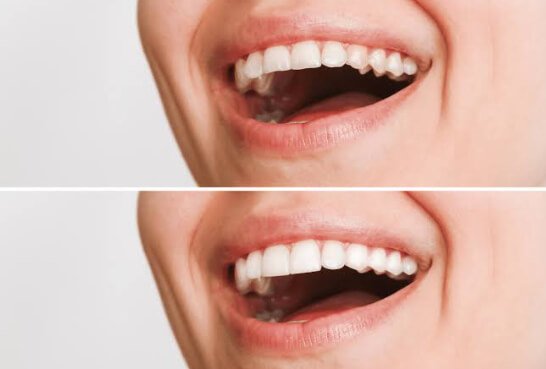
You notice your smile in every photo now. One tooth looks darker, another has a chipped edge, and the front ones do not match the shape you want. That kind of mismatch can wear on you. You are not asking for a fake, perfect look. You want your teeth to look like they belong to you, just healthier, stronger, and more even. If you also need urgent treatment for tooth pain in Rutherford, NJ, it is important to address that concern while improving the overall look of your smile.
That is where a cosmetic and restorative dentist can help. Crowns and veneers are often talked about as separate fixes, but they can work together when your smile needs both strength and surface improvement. One tooth may need full coverage because it is weak or heavily filled, while the tooth next to it may only need a thin veneer to correct shape or color. Used well, they blend function and appearance, which is often the most natural result.
Crowns and veneers solve different problems in the same smile
The hardest part for many people is that their teeth do not all have the same issue. A veneer is usually a thin shell bonded to the front of a tooth, often used to improve color, size, or minor shape concerns. A crown covers the whole visible part of the tooth and is often chosen when a tooth has more damage, decay, or structural weakness. The American Dental Association’s overview of veneers explains their role in cosmetic improvement, especially for front teeth that need a more refined appearance.
If you have one worn tooth from grinding, one discolored tooth after an old injury, and a few front teeth with uneven edges, using only veneers may not be enough. Using only crowns may remove more tooth structure than needed. The best plan often mixes both. That balance is what creates a smile that looks natural instead of overdone.
Natural smiles depend on matching strength, color, and shape
The first way crowns and veneers work together is by matching the treatment to the condition of each tooth. Teeth with large fillings, cracks, or root canal treatment often need crowns because they need support. Teeth that are healthy but misshapen or stained may do well with veneers. This selective approach protects stronger teeth from unnecessary treatment and gives weaker teeth the coverage they need.
The second way they work together is through shade control. A single crown can stand out if the surrounding teeth are worn, yellowed, or uneven. Veneers on nearby visible teeth can help create a smoother, more consistent look. That does not mean every front tooth needs treatment. It means the materials and shades are chosen as a group, so your smile reads as one whole image instead of one repaired tooth surrounded by untreated ones.
The third benefit is shape and symmetry. A crown can restore a broken tooth to proper height and function, while veneers can soften uneven edges or close small gaps nearby. If one central incisor is damaged and needs a crown, but the matching front tooth is healthy with a slightly different shape, a veneer can help them look like a pair again. That kind of symmetry matters more than most people realize.
Combining veneers and dental crowns can improve bite and comfort
The fourth way these treatments work together is through bite support. Cosmetic concerns are often tied to wear, clenching, or old dental work. If a back tooth or canine is weak, restoring it with a crown can help stabilize how your teeth come together. Then veneers on the visible front teeth can be placed with that bite in mind, which lowers the chance of chipping or uneven pressure later.
This matters because appearance and comfort are tied together. If your front teeth hit too hard when you bite, even beautiful veneers may not last well. A crown on the tooth that carries more force can shift that balance. The result is not just a better smile, but a smile that feels easier to live with every day.
The fifth benefit is material planning. Dental materials vary in strength, translucency, and wear behavior. The NIDCR guide on dental materials outlines how different restorations are selected based on location, function, and esthetics. Front teeth need a natural light reflection. Heavily loaded teeth need durability. A skilled provider plans crowns and veneers as part of the same system, not as isolated pieces.
See also: Maintaining Business Continuity After Company Formation
Repair needs, longevity, and cost look different for crowns and veneers
You may already be thinking about the practical side. If one option is more expensive, should you just choose that for everything and be done with it? That usually backfires. Treating every visible tooth with the same restoration can mean paying for more dentistry than you need, or choosing a lighter cosmetic fix for a tooth that really needs full protection.
According to MedlinePlus information on dental crowns, crowns are commonly used when a tooth cannot support a filling or needs protection after major damage. That distinction matters. Veneers can create beautiful changes, but they are not meant to rescue every compromised tooth.
| Concern | Veneer | Crown | Why They May Work Better Together |
| Tooth strength | Best for teeth with good structure | Best for weakened or heavily restored teeth | Healthy teeth keep a lighter treatment, weak teeth get full coverage |
| Cosmetic change | Strong option for color and shape on front surfaces | Can improve appearance and rebuild the whole tooth | Matching both creates a more even smile line |
| Bite support | Less ideal for teeth under heavy force | Better for teeth carrying stronger bite pressure | Crowns can protect high force teeth while veneers refine visible teeth |
| Tooth reduction | Often more conservative | Usually requires more reshaping | Each tooth gets only the level of treatment it needs |
| Best use case | Minor to moderate cosmetic improvement | Structural repair plus cosmetic restoration | Veneers and crowns for a natural smile often give the most balanced result |
Small next steps can make smile planning feel less overwhelming
1. List what bothers you tooth by tooth. Do not just say you hate your smile. Get specific. One tooth may be dark, another short, another cracked. That helps identify where a cosmetic dental restoration is enough and where full coverage may be smarter.
2. Ask which teeth need strength and which need refinement. This one question changes the whole conversation. You are looking for a plan that separates function from appearance when needed, then brings them back together in a way that looks seamless. That is often the key to crowns and veneers for natural smiles.
3. Review the smile as a full set, not single teeth in isolation. If one crown will be visible when you talk or smile, ask how adjacent teeth will be matched for color, shape, and light reflection. A natural result usually comes from planning several teeth together, even if not every tooth is treated.
If your smile has a mix of cosmetic flaws and structural damage, you are not stuck choosing one treatment for everything. Crowns and veneers can complement each other, and when they are planned well, the result looks less like dental work and more like your own smile restored. If you are ready to explore your options, schedule a consultation with a cosmetic and restorative dentist.