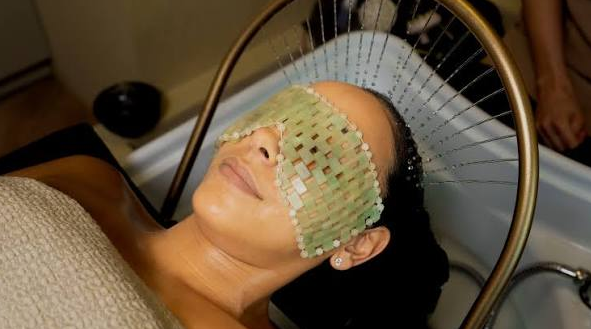
Walk into a growing number of salons and you will find clients lying back with their eyes closed while warm water runs gently over their scalp. It looks simple, almost sleepy, yet bookings for this treatment are rising fast. The Japanese head spa has travelled from specialist salons in Japan to beauty rooms around the world, carried by word of mouth and by videos that make the ritual look deeply relaxing.
At its heart, the treatment is a long, unhurried scalp ritual: cleansing, massage, warm water and quiet time. Clients describe it as a reset for both head and mind, and many say they sleep better afterwards. For salons, it is a service that needs little floor space, uses familiar products and gives clients a reason to return regularly. Understanding the ritual, and the equipment behind it, is the first step for any salon thinking of adding it.
Where the Ritual Comes From
The head spa grew out of Japan’s bathing culture, where washing and soaking are treated as daily care rather than chores. Over time, salons refined the idea into a structured treatment with steps for cleansing the scalp, massaging it, and rinsing with warm water in a slow, rhythmic flow. The emphasis was never on speed. Each stage is given time, and the client is encouraged to do nothing at all.
The treatment reached a wider audience when visitors shared their experiences online. Short clips of the water flow and massage drew millions of views, and salons outside Japan began receiving requests from clients who had seen the ritual on a screen. What started as a niche service is now a regular menu item in many cities, and training courses for it are appearing alongside the demand.
See also: Understanding the Role of Financial Protection in Everyday Life
What Happens During a Treatment
A typical session begins with a consultation about the scalp and hair, followed by a gentle cleanse to remove build-up. The therapist then massages the scalp with slow, even pressure, working across the whole head rather than rushing one area. Warm water is poured in a steady stream, and the client lies still with their eyes closed. Many sessions end with a conditioning step and a quiet few minutes to sit up slowly.
The equipment shapes the experience more than clients realise. The bed or chair must hold the client comfortably for up to an hour, keep the neck supported, and manage water without splashing the floor or soaking the client’s clothes. Salons researching a japanese head spa bed should look closely at how the basin, drainage and recline work together, because a well-designed unit makes the treatment feel effortless while a poor one creates constant small problems.
Water temperature and flow are part of the craft. Water that is too hot makes clients uncomfortable, while water that is too cool breaks the relaxation. Therapists learn to test the flow on their own wrist first and to adjust it for each client. Some therapists keep a small thermometer nearby during training until judging the temperature by feel becomes second nature, and they always check with the client in the first minute, when adjustments are easiest to make. The sound of the water matters too: a smooth, even flow is calming, while splashing or gurgling pulls the client out of the moment.
Adding the Service to a Salon
For a salon owner, the head spa is attractive because it fits into a small space and uses skills the team may already have. Training focuses on scalp care, massage technique and water handling rather than entirely new disciplines. Marketing is straightforward as well, since the treatment photographs beautifully and clients tend to share their experience. The main costs are the equipment, training and time to build the service into the appointment book. Pricing deserves thought too: the session should be priced to reflect the time, the products and the skill involved, rather than copied from a different treatment that takes half as long.
It is worth starting small. Offer the treatment on certain days, gather feedback from early clients and refine the timing before making it a daily service. Keep the room calm and warm, protect the floor from water, and build in time between appointments to reset the area. A rushed head spa loses the very quality that makes it special, so the schedule should protect the unhurried pace. A short feedback card or a quick chat at the end of the first few sessions will tell you more about what clients value than any online review, and it lets you fix small problems before they become habits.
Frequently Asked Questions
1. How long does a Japanese head spa treatment take?
Most sessions run between forty-five minutes and an hour and a half, depending on the salon and the steps included. The unhurried pace is part of the appeal, so it should not be squeezed into a short slot.
2. Is the treatment suitable for everyone?
Most people enjoy it, but clients with certain scalp conditions, recent head injuries or sensitivity to lying flat should mention this beforehand so the therapist can adapt the session or advise against it.
3. What should a salon check before buying the equipment?
Check comfort, neck support, drainage, water control and how easy the unit is to clean. Ask about installation, plumbing needs and aftercare, and try the equipment in person if you can.
Conclusion
The Japanese head spa succeeds because it offers something modern life rarely does: an hour of stillness, warmth and care. For clients it is a deep reset; for salons it is a service that is calm to deliver and easy to love. Start with good training, choose equipment that supports the ritual rather than fighting it, and protect the slow pace. Done well, the head spa becomes the treatment clients ask for by name and return for again and again.