Events bring people together for many different purposes, from professional conferences and product presentations to creative workshops and private celebrations. Regardless of the occasion, successful planning requires more than choosing a date and inviting guests. The venue, facilities, accessibility and overall experience all contribute to how an event is received.
Hong Kong offers a wide range of event settings, including hotels, meeting rooms, creative spaces and larger function venues. Understanding the requirements of an event can help organisers select a location that supports their objectives.
Start With a Clear Event Purpose
Before searching for a venue, organisers should define what the event is intended to achieve. A business seminar may require presentation equipment and seating for an audience, while a networking event may need an open layout that encourages conversation.
Private celebrations have different priorities. Hosts may focus on atmosphere, catering and comfortable arrangements for guests.
A clear purpose makes it easier to decide which facilities are essential and which features are optional. It also helps organisers communicate their requirements when requesting quotations.
Estimate the Number of Guests
Guest numbers influence almost every venue decision. A room that is too small can feel uncomfortable, while an oversized space may reduce interaction and create unnecessary costs.
Organisers should estimate attendance based on invitations, registration history and the type of event. It is useful to consider whether speakers, service staff, equipment and additional guests will also require space.
The seating layout should reflect the event format. Theatre-style seating can work for presentations, while round tables may be more appropriate for meals or group discussions.
Consider Location and Accessibility
A convenient location can improve attendance and reduce travel difficulties. Organisers should consider public transport, nearby roads, parking availability and the distance guests may need to walk.
For events involving international visitors, clear directions and information about nearby transport connections can be especially useful.
Accessibility should also be considered. Guests may have different mobility needs, so organisers should confirm whether the venue provides suitable access, lifts and facilities.
Review Technical Requirements
Modern events often depend on technology. Presentations, hybrid meetings and workshops may require screens, projectors, microphones, speakers and reliable internet access.
Organisers should prepare a technical checklist based on the programme. If an event includes remote participants, the venue may need suitable video conferencing equipment and a stable network connection.
It is also sensible to ask whether technical support is available during the event. Testing equipment before guests arrive can help reduce interruptions.
Think About Layout and Atmosphere
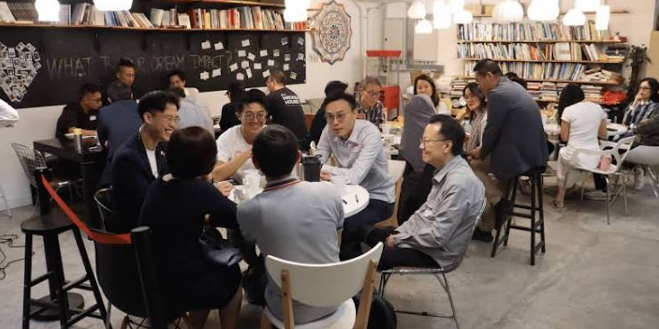
The physical environment influences how guests interact. A formal conference may need a structured layout, while a creative session could benefit from flexible seating and open working areas.
Lighting, ventilation, acoustics and temperature control also affect comfort. Organisers should consider how long guests will remain in the space and whether breaks are required.
Decorations and branding can create a more distinctive environment, but they should not interfere with movement, safety or visibility.
Prepare a Realistic Budget
An event budget should include more than the venue rental. Catering, equipment, decoration, staffing, transport and additional services may all contribute to the final cost.
Organisers should ask for a clear breakdown of charges and check whether setup time, cleaning or technical assistance is included. They should also understand cancellation terms and payment deadlines.
Keeping a contingency allowance can help manage unexpected expenses.
Finding a Suitable Event Space
People searching for an event space hong kong can review available venue information and consider whether the facilities match the event’s purpose, guest numbers and technical requirements. Direct enquiries can help clarify layout options, availability and service arrangements.
Frequently Asked Questions
1. How early should an event venue be booked?
The ideal timing depends on the event size, date and venue demand. Booking earlier is generally helpful for large events or occasions scheduled during busy periods.
2. What facilities should organisers check before booking?
Consider seating, audiovisual equipment, internet access, lighting, ventilation, accessibility and any catering or technical services required.
3. Should a venue be visited before confirming a booking?
A site visit can help organisers assess the space, layout and facilities. It is particularly useful when the event has specific technical or guest requirements.
Conclusion
Choosing an event venue is an important part of creating a well-organised occasion. By defining the purpose, estimating attendance, checking technical facilities and reviewing costs, organisers can make more informed decisions. Careful preparation helps ensure that the selected space supports both the practical requirements and the overall experience of the event.