You hand your pet over for a procedure, try to stay calm, then spend the rest of the day watching your phone and thinking about the moment they come home. That stretch after anesthesia is often the hardest part, especially for families arranging spay and neuter in West Scarborough, ON, because your pet cannot tell you what feels normal and what does not. You are left reading body language, checking their breathing, and wondering whether sleepiness is expected or a warning sign.
That is why these 6 Questions To Ask About Your Pet’s Post Anesthesia Monitoring matter. Good monitoring does not stop when the procedure ends. It includes how your pet is watched as they wake up, how pain is managed, what changes are expected at home, and when you should call the animal hospital right away. If you ask the right questions before discharge, you are less likely to second guess every nap, wobble, or skipped meal.
Post anesthesia monitoring for pets starts with the recovery window
The first hours after anesthesia carry the most uncertainty. Some pets wake up slowly and quietly. Others whine, pace, shiver, or seem disoriented. Those reactions can be normal, but they can also overlap with signs of low body temperature, pain, breathing trouble, or a rough recovery. That overlap is what makes owners anxious, and for good reason.
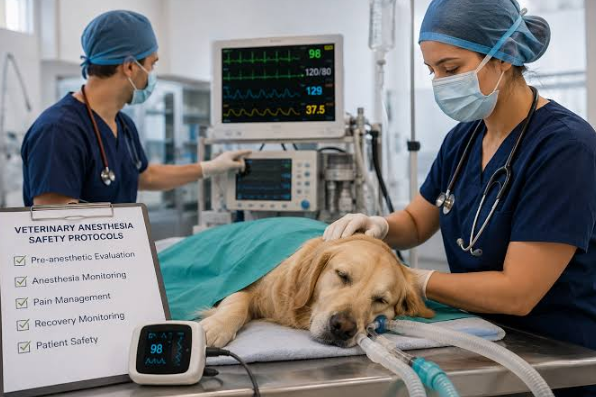
Ask your veterinary team who is watching your pet as anesthesia wears off, how often vital signs are checked, and what they are tracking. You want to hear clear answers about breathing, heart rate, temperature, blood pressure, pain level, and alertness. Washington State University notes that anesthesia safety depends on close monitoring before, during, and after the procedure, not just the medication itself. Their guide on pets and anesthesia explains why recovery care is a core part of overall safety.
One useful question is simple. What does a normal recovery look like for my pet today? A young healthy cat after a short dental cleaning may look very different from an older dog recovering from mass removal. If your pet has heart disease, airway issues, seizures, or high anxiety, the answer should be tailored to that history.
See also: Understanding the Role of Financial Protection in Everyday Life
The six questions help you spot trouble before it grows
The first question is, what exactly will you monitor before my pet goes home? You need more than “we’ll keep an eye on them.” Ask what signs must return to normal before discharge. Can they maintain body temperature, swallow safely, stand with support, and breathe comfortably on room air?
The second question is, what side effects are expected from the anesthesia and pain medication? Sleepiness, mild nausea, reduced appetite, and poor coordination are common for a short period. Trouble starts when normal side effects are so vague that owners miss a real problem. Cornell’s overview of when your dog needs anesthesia helps explain how age, health status, and procedure type can change the recovery picture.
The third question is, what signs mean I should call immediately? Get specifics. Labored breathing, pale gums, repeated vomiting, collapse, swelling, uncontrolled pain, bleeding, or inability to wake your pet fully are not “wait and see” issues.
The fourth question is, how will pain be assessed after the procedure? Pets hide pain well, especially cats and stoic dogs. If you are sent home with medication, ask how soon it should start working and what your pet may do if pain is not controlled. Restlessness, panting, shaking, guarding the surgical site, and refusing to lie down can all matter.
The fifth question is, when can my pet eat, drink, walk, and use the bathroom? Owners often assume a pet who seems hungry can go right back to normal. Sometimes that is fine. Sometimes it leads to vomiting, aspiration risk, or too much activity too soon.
The sixth question is, who do I contact after hours if something changes? Recovery problems do not wait for business hours. You should leave with a number, a time frame, and instructions that are easy to follow when you are tired and worried.
Pet recovery monitoring questions are easier to use when you know what to compare
Most pets do well after anesthesia, but “doing well” still covers a range. A sleepy dog who lifts her head, swallows normally, and settles comfortably is different from a dog who cannot stay upright, pants hard, and will not respond to you. The table below gives you a practical frame for common recovery signs.
| Recovery Sign | Usually Expected | Call the Animal Hospital |
|---|---|---|
| Sleepiness | Drowsy for several hours, wakes when spoken to or touched | Hard to rouse, unresponsive, or getting more lethargic over time |
| Walking | Mild wobbliness, slow movement, needs supervision | Cannot stand, falls repeatedly, drags limbs, or seems suddenly worse |
| Breathing | Calm, even breaths while resting | Fast, strained, noisy, open mouth breathing, or blue or pale gums |
| Appetite | May eat less at first, may skip one meal | Repeated vomiting, choking, or no interest in food with other concerning signs |
| Incision or procedure site | Mild redness or small amount of spotting if your vet says this is expected | Active bleeding, swelling, discharge, bad odor, or intense licking |
| Behavior | Quiet, clingy, mildly confused, or restless for a short period | Crying out repeatedly, panic, aggression, collapse, or signs of severe pain |
Questions about anesthesia aftercare lead to better decisions at home
Write down the discharge thresholds. Before you leave, ask for exact limits. How long can grogginess last. How much water should your pet drink tonight. When is vomiting no longer expected. Verbal instructions blur together when you are stressed, so get them in writing.
Set up a controlled recovery space. Keep your pet in a quiet room with soft bedding, dim light, and easy access to you. Block stairs, limit jumping, and separate other pets and children if needed. This is one of the most useful parts of post-op pet monitoring because it reduces falls, overactivity, and missed symptoms.
Check the same three things every few hours. Look at breathing, responsiveness, and comfort. Is your pet waking up normally, breathing without effort, and able to rest without obvious distress. A simple routine keeps you from spiraling and helps you notice real changes.
Clear communication makes pet anesthesia aftercare less overwhelming
You do not need to know every medical detail to protect your pet. You need clear answers, realistic expectations, and a plan for what to watch once you get home. These six questions give you that structure, and they make pet anesthesia aftercare feel less like guesswork and more like informed care.
If your pet has an upcoming procedure, ask these questions before discharge and keep the answers close by. A good animal hospital will welcome them, because careful monitoring after anesthesia is part of safe treatment, not an extra.