Your bathroom ceiling is dripping when you walk in after work. Somebody upstairs let a toilet overflow during the afternoon, and the water has reached your light fixture. You rent the place, so your first thought is fair. So who is supposed to deal with this issue?
Both of you do, in different ways. Because the landlord owns the building, repairs to the structure, including water damage restoration, usually fall to the landlord to arrange and pay for. Your couch, though, and the clothes hanging in your closet are yours to worry about. Those items follow a separate path.
Speed still matters for everyone involved. Expect a property manager who calls Restoration Logistics in Denver to ask for photos the tenant took in that first hour. Those pictures show where the water started and how far it managed to spread before someone shut it off.
Your Rights as a Colorado Tenant After Serious Water Damage
Every residential lease in Colorado carries a warranty of habitability under state law. Say you give the landlord written or electronic notice about something that threatens your health or safety. The landlord has 24 hours to respond. The landlord also has 24 hours to start repairs on that kind of problem. The tenant has a duty here too. You need to send notice the way your landlord normally communicates with you and keep proof that it arrived. A text sent to an old number probably won’t do much.
Money is the next question, and it often surprises people. A landlord’s insurance policy covers the building but not the tenant’s belongings. Renters insurance fills that gap, if you carry it. Policies usually pay either actual cash value, which subtracts depreciation from the item’s price, or replacement cost, which pays closer to what a new item costs today. A five-year-old television makes the difference pretty clear.
Let’s break down the first few hours.
See also: Choosing Quality Seafood for Everyday Cooking
First Steps for Tenants After a Water Leak
Most of what a tenant can do in the first hour is simple. None of it requires tools:
- Shut off the water at the fixture or main valve if you know where it is
- Move electronics and paperwork away from the wet area
- Take photos and a short video before you move anything else
- Send written notice to your landlord through the usual channel
- Ask your renters insurance company how the claim process starts for you
You may want to pull up the soggy carpet yourself. It is probably better to wait. The carpet belongs to the landlord, and pulling it out before anyone documents the damage can create an argument you do not need.
What Water Damage Restoration Looks Like in a Rental Unit
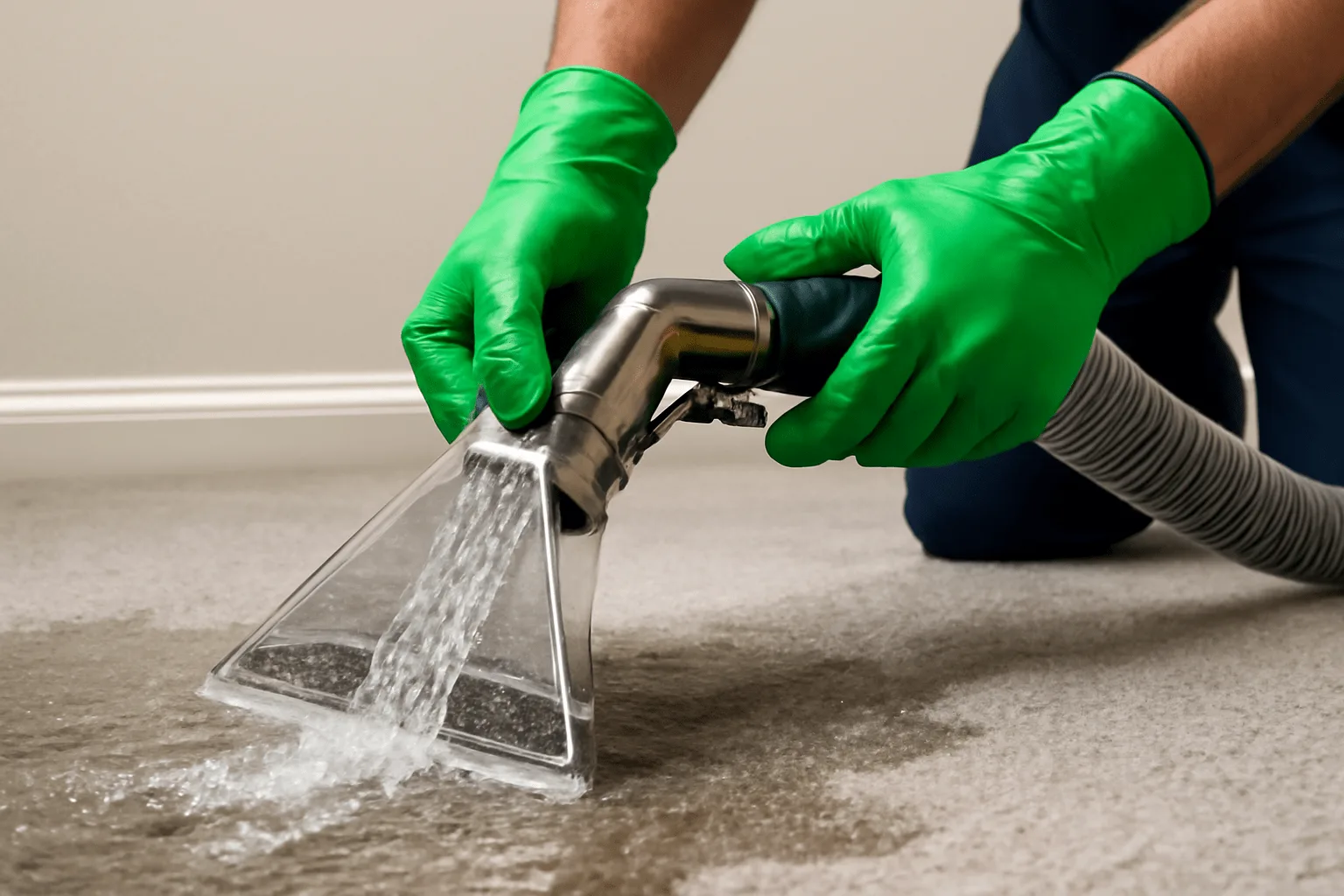
The restoration work itself looks much the same as it would in an owner-occupied home. A crew first extracts the standing water. Next, they use moisture meters on the walls and floors, followed by dehumidifiers and air movers. Crews log readings each day until the materials reach normal levels. An apartment building adds another step, since the crew may need entry to the unit above or below, which requires extra notices. Did the leak start upstairs? Then the crew needs to know it has stopped before starting any drying. Otherwise, the readings in your unit may never come down, no matter how many machines are running.
Tenants sometimes ask whether they can stay during drying. It depends. The equipment runs around the clock and it can be loud, so some people choose to leave for a few days even when they could stay.
Mold and Dampness Rules for Colorado Rentals
Colorado lists mold associated with dampness among the conditions that can make a rental unfit to live in. When that kind of condition affects a tenant’s health or safety, state law requires the landlord to act, and the tenant may have the right to request a comparable temporary unit or hotel room. The details vary with the situation. The statute has more to it than fits here, and a housing attorney or Colorado Legal Services can explain how it applies to a specific lease.
Landlords get the simpler version. Drying fast is cheaper than mold remediation, and the unit stays rentable. Tenants are better protected with a clear written record starting on day one. Save a copy of each message, including the ones that feel minor when you first send them.
A water leak in a rental gets messy because two parties own different pieces of one problem. Things get a lot simpler once each side knows which piece is theirs. The landlord handles the building. You handle your belongings and the paperwork that proves what happened. It won’t always go smoothly, but that split tends to hold.