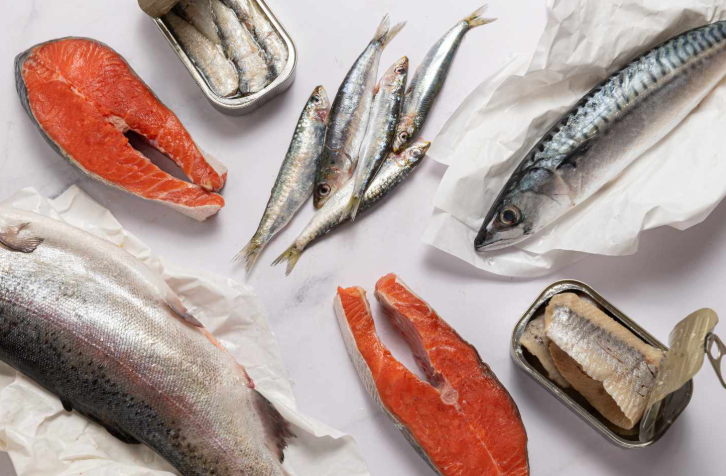
Seafood is an important part of many modern diets and restaurant menus. Fish, prawns, squid, mussels, and other seafood products can be used in everything from quick weekday meals to elaborate dishes for special occasions. However, maintaining quality from storage to preparation is essential for achieving good taste, texture, and food safety.
For households, restaurants, catering businesses, and food-service operators, frozen seafood can offer a practical way to maintain a dependable supply throughout the year. Freezing helps preserve products when they are handled and stored correctly, while also making it possible to keep different varieties available beyond their immediate fresh availability.
Why Frozen Seafood Is Practical
One of the main advantages of frozen products is convenience. Fresh seafood may have a relatively short shelf life, while properly frozen products can be stored for longer periods under appropriate conditions.
This makes frozen options useful for businesses that need predictable inventory. Restaurants can plan menus more easily when ingredients are available consistently, while households can keep seafood available for occasional meals without needing to purchase it every day.
Another advantage is flexibility. Different types of seafood can be portioned and stored until needed, helping reduce unnecessary food waste.
What to Consider When Selecting Seafood
Quality should remain the main consideration when choosing seafood. Buyers should pay attention to packaging, storage conditions, product appearance, and labeling.
A well-sealed package can help protect the product from freezer exposure and unwanted contamination. Labels should provide useful information such as the product name, weight, storage requirements, and relevant dates.
When purchasing frozen seafood customers should also consider how the product will be used. A restaurant preparing seafood noodles may need different products from a household planning grilled fish or seafood soup.
Maintaining the Cold Chain
Temperature management is one of the most important factors in frozen food quality.
From storage to transportation and final preparation, seafood should remain within appropriate frozen conditions. Repeated temperature fluctuations can affect texture and overall product quality.
Commercial businesses should have clear procedures for receiving frozen products. Staff can check packaging condition and storage temperatures before moving products into the appropriate freezer area.
Good inventory management can also help prevent products from remaining in storage unnecessarily long.
Understanding Packaging
Packaging protects seafood from environmental exposure. Damaged or poorly sealed packaging can increase the risk of freezer burn and quality deterioration.
When selecting frozen products, consumers should look for packaging that appears intact and properly sealed. Excessive ice accumulation inside packaging can sometimes indicate temperature fluctuations or extended storage conditions.
For businesses, organized freezer storage can make inspection easier. Products should be arranged so staff can quickly identify labels and dates.
Safe Thawing Practices
Thawing is another important stage in seafood preparation.
Seafood should be thawed using an appropriate food-safe method rather than being left at room temperature for extended periods. Refrigerated thawing is often a practical option because it allows gradual temperature control.
Once seafood has been thawed, it should be handled according to normal food-safety procedures. Raw seafood should also be kept separate from ready-to-eat foods to reduce the possibility of cross-contamination.
Preventing Cross-Contamination
Kitchen hygiene is essential when handling seafood.
Separate cutting boards, utensils, and preparation areas can help reduce contact between raw seafood and other foods. Hands, surfaces, and equipment should be cleaned appropriately after handling raw ingredients.
Restaurants should provide staff with clear procedures covering storage, preparation, cleaning, and waste management.
These practices are simple but important for maintaining a safe food-preparation environment.
Cooking Frozen Seafood Successfully
Different seafood varieties require different cooking methods. Fish may be baked, grilled, steamed, pan-fried, or added to soups. Prawns and other shellfish can be incorporated into pasta, rice dishes, stir-fries, and salads.
The cooking method should match the characteristics of the seafood. Overcooking can negatively affect texture, while insufficient cooking may create food-safety concerns.
Following reliable cooking instructions and paying attention to the product’s characteristics can help achieve better results.
Reducing Food Waste
Frozen seafood can also support better inventory management.
Businesses can portion products according to expected demand and use only what is required for a particular service period. Proper labeling can help staff follow a first-in, first-out approach where appropriate.
Households can similarly plan meals around available portions rather than thawing more food than necessary.
Reducing unnecessary waste can lower food costs while making kitchen management more efficient.
Buying for Restaurants and Catering
Commercial buyers have additional considerations. They may need consistent portion sizes, reliable availability, suitable packaging, and products that fit their menu requirements.
Before committing to a supplier, businesses can evaluate product quality, storage practices, delivery conditions, and communication.
A reliable supply chain can be especially valuable for restaurants because unexpected shortages can affect menu planning and customer satisfaction.
See also: Making Better Decisions When Sourcing Renewable Energy Equipment
FAQs
1. Why choose frozen seafood?
Frozen seafood can provide convenience, longer storage potential, and reliable availability when it is stored and handled correctly.
2. How should frozen seafood be thawed?
It should be thawed using an appropriate food-safe method, such as controlled thawing in a refrigerator, while avoiding prolonged exposure to room temperature.
3. How can seafood quality be maintained?
Maintaining suitable storage temperatures, protecting packaging, following proper handling practices, and avoiding repeated temperature fluctuations can help preserve quality.
Conclusion
Choosing seafood involves more than selecting a particular variety. Storage, packaging, transportation, thawing, preparation, and hygiene all contribute to the final quality of a meal.
For both households and professional kitchens, frozen products can provide a convenient and flexible solution when handled responsibly. By maintaining the cold chain, organizing inventory, preventing cross-contamination, and using appropriate cooking methods, buyers can make better use of their seafood supplies while maintaining high food-preparation standards.