You brush, you try to floss, and life still gets in the way. Kids miss a bedtime routine, adults put off cleanings because work runs long, and older family members start noticing dry mouth, sensitivity, or trouble with old dental work. Oral health often slips for ordinary reasons, and a north Scottsdale dentist can help before one small issue turns into pain, a larger bill, or a visit you wish had happened sooner.
That is where preventive dentistry helps. The goal is simple. Catch problems early, lower your risk of decay and gum disease, and protect your teeth through every stage of life. A general dentist usually does this with regular exams, professional cleanings, fluoride care, sealants, and screenings that look beyond cavities alone. These services are not just for children. They support toddlers learning to brush, teens with braces, busy adults, and older adults managing wear, recession, or medical changes that affect the mouth.
Preventive dental services protect more than your teeth
Many people wait until something hurts. That makes sense in the moment, especially if your schedule is packed or dental visits have felt stressful before. The problem is that early tooth decay, gingivitis, and even bite changes often do not hurt at first. You can feel fine while plaque hardens into tartar, gums become inflamed, or a small cavity grows quietly between teeth.
That delay usually costs more later. A routine cleaning and exam are far easier on your time and budget than a filling, crown, root canal, or gum treatment. For children, prevention can mean fewer missed school days and less fear around dental care. For adults, it can mean keeping natural teeth strong and avoiding work disruptions. For older adults, it can mean spotting issues linked to medications, dry mouth, or worn restorations before they lead to infection or tooth loss.
Preventive dental care for all ages works best because it adjusts to what your mouth needs right now. A six year old may need sealants on new molars. A teenager may need extra plaque control around orthodontic brackets. An adult may need help with grinding or gum recession. An older adult may need more frequent monitoring because reduced saliva raises cavity risk.
See also: Understanding the Role of Financial Protection in Everyday Life
Dental exams and cleanings form the base of routine oral prevention
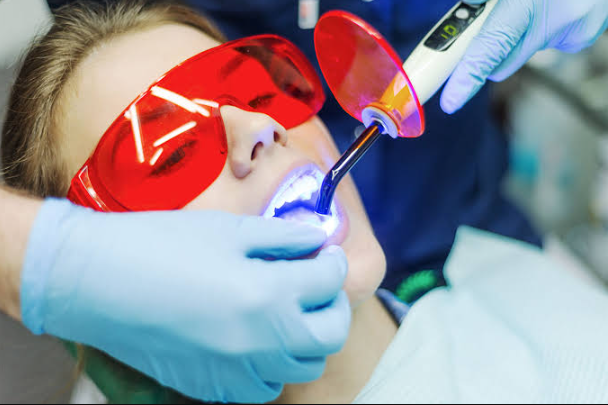
Regular exams let a general dentist check for cavities, gum inflammation, bite issues, enamel wear, and changes in soft tissue. X rays may be recommended based on age, risk, and symptoms. These visits create a baseline, which matters more than people realize. When your dentist has seen your mouth over time, small changes stand out faster.
Professional cleanings do what brushing at home cannot. Plaque that stays on the teeth hardens into tartar, and tartar cannot be brushed away. Once that buildup sits near the gumline, irritation often follows. You may notice bleeding when flossing and assume you are flossing too hard. In many cases, the issue is inflammation from bacteria and buildup, not the floss itself.
This is one reason preventive dentistry services matter even when your home care is solid. Home care and professional care do different jobs, and both count.
Fluoride treatments and sealants lower cavity risk at every stage
Fluoride strengthens enamel and helps slow or reverse early decay. According to the CDC’s guidance on fluoride and cavity prevention, fluoride reduces cavities by making teeth more resistant to acid attacks from plaque bacteria and sugars. That benefit is not limited to children. Adults with dry mouth, exposed roots, or a history of decay may benefit too.
Sealants are thin protective coatings placed on the chewing surfaces of back teeth, where grooves can trap food and bacteria. They are common for children and teens, though some adults can benefit as well if those grooves are deep and unfilled. If you have ever looked at a child’s molars and wondered how a toothbrush is supposed to reach every tiny pit, sealants make a lot of sense.
Prevention also includes counseling that sounds basic but changes outcomes. Sugar frequency, sports drinks, mouth breathing, tobacco use, clenching, and even snacking habits all shape oral health. Evidence based public health resources from Healthy People oral health objectives continue to support prevention focused care because risk factors build over time, and small changes can reduce that burden.
Oral cancer screenings and gum evaluations catch issues people miss
One of the less talked about parts of a general dentist visit is the screening for problems you may never notice on your own. That includes checking the tongue, cheeks, floor of the mouth, and other soft tissues for unusual changes. It also includes evaluating gum pockets, recession, and signs of periodontal disease.
Gum disease often starts quietly. Mild bleeding, bad breath that keeps returning, or gums that seem to be pulling back can be easy to dismiss. Left alone, that inflammation can damage the tissues and bone that support your teeth. For adults and older patients, this is often the issue that changes treatment plans the most, because healthy gums are the foundation for keeping teeth long term.
Home care and professional preventive care work best together
| Preventive service | What it helps prevent | Who often benefits |
|---|---|---|
| Dental exam | Undetected cavities, bite issues, early gum problems | All ages |
| Professional cleaning | Tartar buildup, gingivitis, persistent plaque | All ages, especially people prone to buildup |
| Fluoride treatment | Enamel weakening, early decay, root cavities | Children, teens, adults with decay risk |
| Dental sealants | Cavities in deep grooves of back teeth | Children, teens, some adults |
| Gum and oral cancer screening | Progression of periodontal disease, missed tissue changes | All ages, especially adults and older adults |
The table makes one thing clear. The best oral preventive care from a general dentist is layered. Brushing and flossing at home remain essential, but they do not replace exams, cleanings, or risk based treatments. Professional care fills the gaps that daily routines cannot always cover.
Simple steps make preventive care easier to keep up with
Schedule around your real life. If you only book appointments when your calendar looks calm, you may keep postponing them. Set visits before school breaks, pair siblings on the same day, or choose the first appointment of the morning if afternoons tend to fall apart.
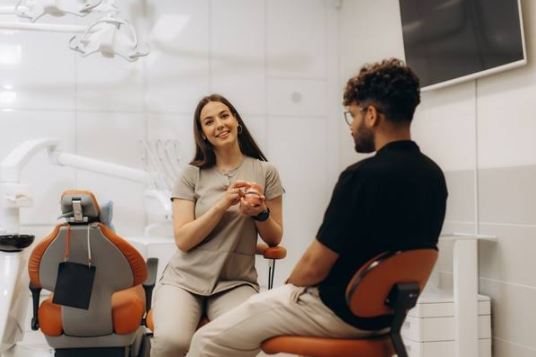
Ask what your risk actually is. Not everyone needs the same plan. Some people do well with routine cleanings and home care. Others need fluoride, sealants, more frequent periodontal checks, or support for dry mouth and grinding. A good general dentist will explain what applies to you and why.
Fix the small habit causing the bigger problem. If flossing every night is not happening, start with four nights a week. If your child sips juice all afternoon, shorten that exposure. If sensitivity keeps you from brushing well, switch toothpaste and mention it at your visit. Prevention works best when it fits the life you are already living.
Staying ahead of dental problems does not require perfection. It requires consistency, a clear plan, and the right support at the right time. The five services above are the core of prevention because they help protect teeth, gums, and overall oral health before trouble gets expensive or painful. If it has been a while since your last visit, now is a good time to book an appointment with a general dentist and get back on track.