Sewage networks need consistent wastewater movement to protect public health, support communities, and prevent disruptive backups. However, gravity-based pipelines cannot always move wastewater effectively across areas with changing elevations or complex infrastructure layouts.
A municipal lift station helps overcome these challenges by collecting wastewater and pumping it toward higher sections of the network or treatment facilities. Its reliable operation depends on suitable capacity, efficient pumping equipment, regular cleaning, monitoring, and timely maintenance. Understanding how these systems function highlights their importance in maintaining dependable sewage services across growing communities.
Understanding How Lift Stations Fit Into Sewage Networks
A lift station is used where wastewater cannot travel effectively through gravity sewers. Underground pipelines collect sewage from homes, businesses, public facilities, and other properties. When the incoming flow reaches a designated level, pumps transfer the wastewater through a force main toward a higher point.
This arrangement allows sewer networks to serve areas where natural slopes are insufficient and supports development across locations with varied elevations or layouts. A typical station includes a wet well, pumps, discharge piping, valves, controls, and monitoring equipment. Together, these components manage wastewater and maintain movement through the network.
Supporting Continuous Wastewater Movement
One of the most important functions of a lift station is maintaining a steady transfer of wastewater. If sewage accumulates without being moved onward, the system can experience rising levels, backups, unpleasant odors, and operational disruption.
Pumping moves wastewater beyond low points toward its intended destination. Automated controls can activate pumps according to liquid levels, while multiple pumps may provide operational flexibility. This helps the network respond to changing inflow without relying entirely on manual intervention.
Managing Variable Community Demand
Sewage flows are not constant throughout the day. Residential areas may experience higher volumes during morning and evening periods, while commercial districts can have different usage patterns. Rainfall, seasonal activity, population changes, and new developments can also influence wastewater volumes.
A properly designed lift station helps accommodate these fluctuations by collecting incoming wastewater and transferring it as required. Effective capacity planning is important because equipment must handle expected flows without creating unnecessary cycling, excessive wear, or inadequate pumping performance.
Why Maintenance Matters
Reliable operation depends on more than pump performance. Solids, sludge, grease, debris, and other materials can accumulate inside collection chambers over time. If buildup becomes excessive, it can restrict pumping capacity, interfere with equipment, or contribute to blockages.
Routine pumping and cleaning help remove accumulated material before it becomes a larger operational problem. Maintenance schedules should reflect the site’s wastewater characteristics, usage levels, equipment condition, and operating history. Regular attention can also help identify developing issues before they result in an emergency response.
Preventing Backups and Overflow Risks
A sewage backup can affect roads, properties, public spaces, and nearby facilities. Overflow may also create hygiene concerns and introduce wastewater into areas where it should not be present.
Preventive maintenance is therefore essential to network reliability. Keeping wet wells and associated components clear supports proper pump operation and reduces the likelihood of flow restrictions. Emergency response capabilities are also valuable because unexpected equipment or blockage problems can occur even when routine maintenance is followed.
The Role of Monitoring and Controls
Lift stations rely on controls to manage pumping cycles and changing wastewater levels. Monitoring systems can provide information about pump activity, liquid levels, alarms, and other operating conditions.
This information supports identification of unusual behavior. For example, repeated alarms or changes in pumping patterns may indicate a blockage, equipment issue, or unusual inflow. Early awareness gives operators an opportunity to investigate and address the cause before the problem affects a larger part of the sewage network.
Choosing the Right Station for Local Requirements
Every sewage network has specific requirements. Flow volume, elevation differences, pipeline length, site conditions, wastewater characteristics, available space, and future development can influence the design and operating approach.
Smaller developments may use compact systems suited to limited wastewater volumes and space constraints. For certain properties in the UAE, a small packaged sewage lift station in Dubai can provide a practical approach where wastewater needs to be collected and pumped to a connection point. Larger municipal systems require different capacities and operating arrangements.
The key consideration is matching the station’s capabilities with actual wastewater demand. Undersized equipment may struggle during peak flows, while excessive capacity can increase unnecessary operational costs.
Cleaning and Pumping as Preventive Measures
Cleaning is particularly important because lift stations receive wastewater containing suspended solids and other materials. Over time, settled sludge can reduce usable capacity and place additional demands on pumping equipment.
Professional pumping services can remove wastewater, sludge, and accumulated solid material from the collection area. A thorough maintenance process may also include flushing pumps and reviewing the condition of accessible components. The aim is to restore capacity and support operation rather than waiting until a blockage or overflow occurs.
Safety During Maintenance Work
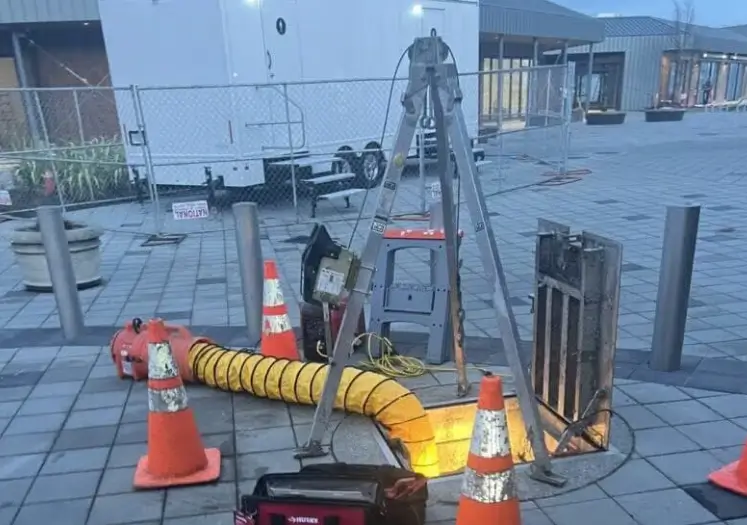
Lift station maintenance requires appropriate safety procedures because confined spaces can contain hazardous gases and other risks. Workers need suitable training, protective equipment, and established procedures before entering or working around restricted areas.
Safe practices protect personnel while allowing essential maintenance to be completed. Planning should also consider isolation procedures, ventilation, gas detection, access arrangements, and emergency measures where applicable.
Conclusion
Reliable sewage operations depend on keeping wastewater moving safely from collection points toward treatment and disposal facilities. A municipal lift station makes this possible where gravity flow cannot provide sufficient movement, while effective monitoring, cleaning, pumping, and maintenance help preserve performance. By matching station capacity to demand and addressing buildup or equipment issues early, communities can support cleaner, more dependable wastewater networks.
For businesses seeking reliable wastewater management and ongoing sewage maintenance support, professional solutions matter. JB Allo Sewage provides professional pumping and cleaning services across Dubai and the UAE. Its services include sludge and wastewater removal, solid waste extraction, pump flushing, inspections, and emergency response. With experienced technicians, specialized equipment, and safety-focused procedures, the company helps residential, commercial, and industrial facilities maintain dependable sewage infrastructure and minimize operational disruptions.