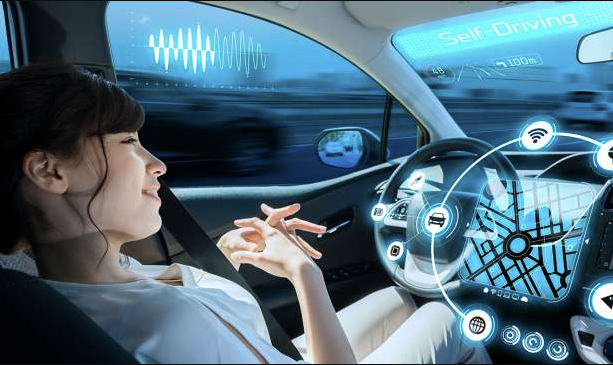
Self-driving cars represent a significant technological advancement in the automotive industry. Their ability to navigate with minimal human input relies on complex systems and algorithms. While these vehicles promise to enhance safety and efficiency, they also raise important questions about regulation and public acceptance. Understanding the various levels of automation and the key technologies involved is crucial. What challenges lie ahead for their integration into daily life?
Understanding Levels of Automation
What defines the various levels of automation in self-driving cars? The automation spectrum ranges from fully manual control to complete autonomy, categorized by functionality and driver involvement.
Safety regulations play a crucial role in determining these levels, ensuring that technological advancements align with public safety.
Understanding this hierarchy empowers consumers to appreciate both the potential and limitations of self-driving vehicles in enhancing personal freedom.
Key Technologies Behind Self-Driving Cars
The intricate world of self-driving cars relies on a synergy of advanced technologies that work in concert to create safe and efficient autonomous vehicles.
Central to this innovation are sensor fusion and machine learning, which enable vehicles to interpret their environment accurately and make informed decisions.
These technologies empower cars to navigate complex scenarios, enhancing both safety and user experience in the quest for freedom on the road.
Benefits of Autonomous Vehicles
As society embraces the potential of autonomous vehicles, a multitude of benefits emerges, transforming transportation in profound ways.
Notably, safety improvements arise from reduced human error, significantly lowering accident rates. Additionally, these vehicles can optimize driving patterns, leading to decreased fuel consumption and a positive environmental impact.
Together, these advancements promise to enhance mobility while promoting a sustainable future for all.
See also: miroirpmu
Challenges and Considerations for the Future
While the benefits of autonomous vehicles are promising, several challenges and considerations must be addressed to ensure their successful integration into society.
Regulatory hurdles pose significant obstacles, requiring collaboration among policymakers, manufacturers, and technologists.
Additionally, public perception remains a crucial factor, as societal trust in self-driving technology will determine its acceptance.
Balancing innovation with safety and ethics will be essential for widespread adoption.
Conclusion
In conclusion, self-driving cars represent a transformative leap in transportation, promising safety through technology and efficiency through innovation. However, the road to their widespread acceptance is fraught with challenges, including regulatory compliance and societal apprehension. As stakeholders collaborate to address these hurdles, the future of autonomous vehicles will hinge on balancing progress with ethical considerations. Ultimately, the journey toward autonomous mobility requires not only advanced engineering but also public trust and a commitment to shared responsibility.